


Rhinoplasty
The Perfect Balance
Between Art and Precision
Every rhinoplasty is a precise, personalised process.
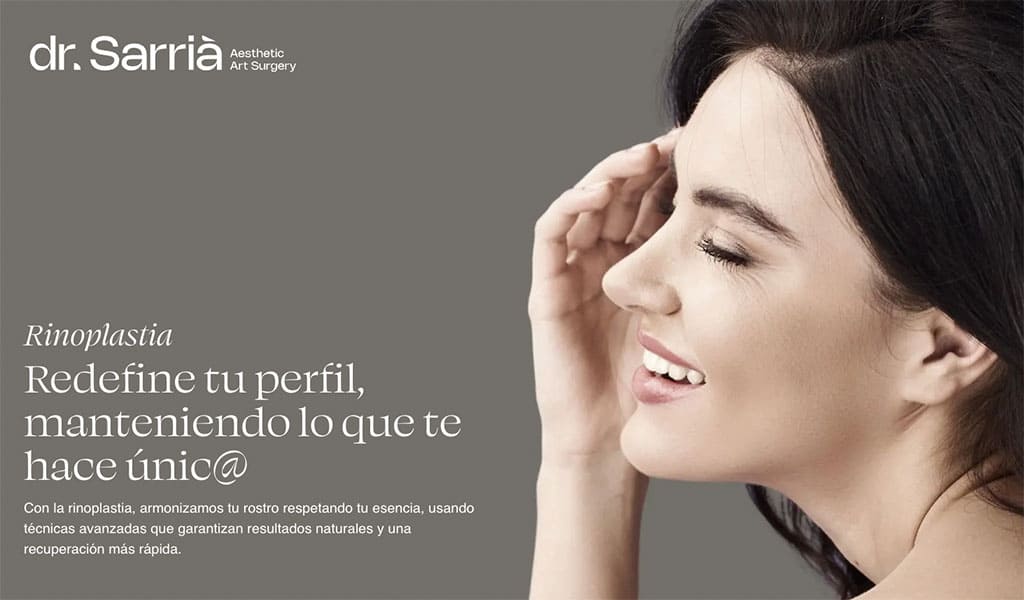
Rhinoplasty, or nose surgery, is one of the most delicate, artistic procedures in aesthetic surgery. It is not about transforming your face, but about perfecting its harmony, subtly and precisely enhancing your natural features. Under the operating theatre lights, Dr Sarrià combines advanced technique and aesthetic vision to create results that integrate seamlessly with your expression.
What is rhinoplasty?
Rhinoplasty is a surgical procedure aimed at modifying the shape, size and proportions of the nose to improve both facial aesthetics and, in some cases, breathing function.
Before & After
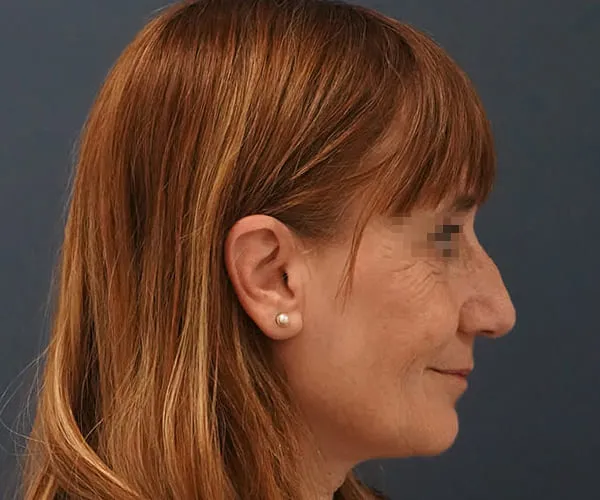
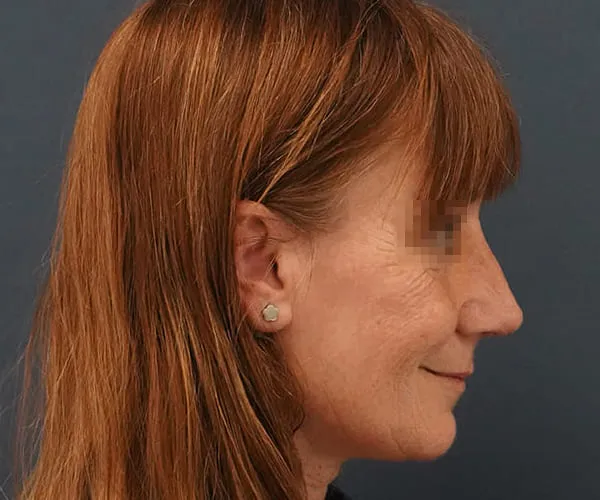
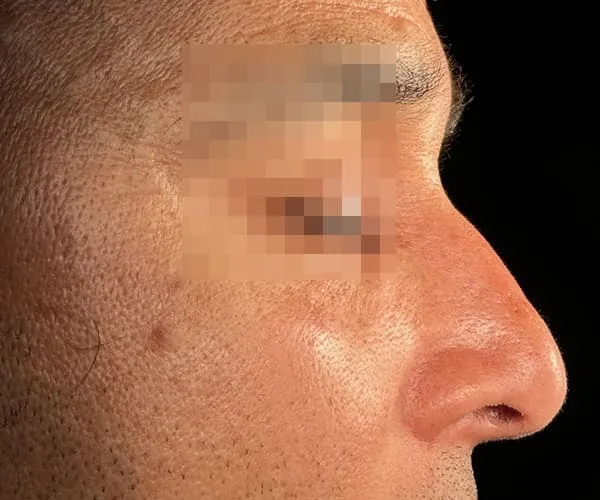
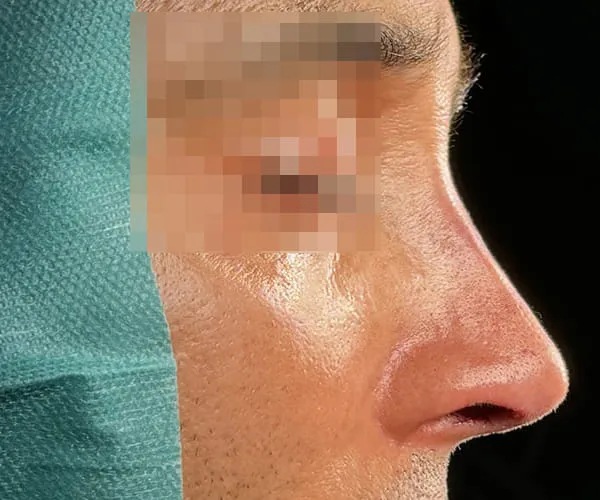
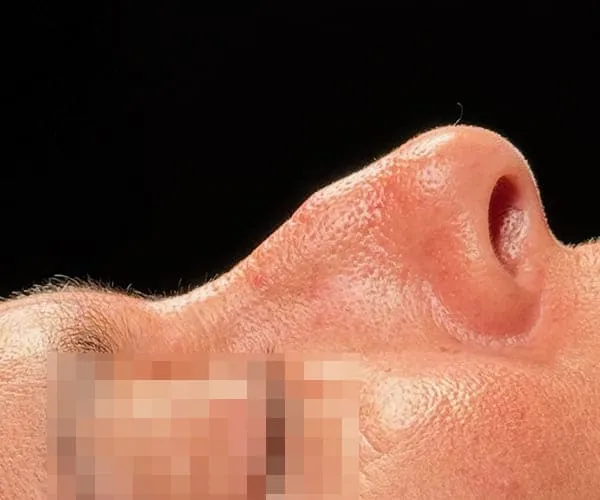
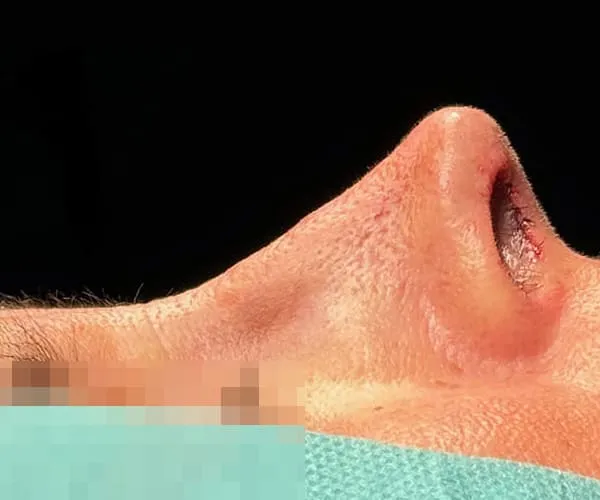
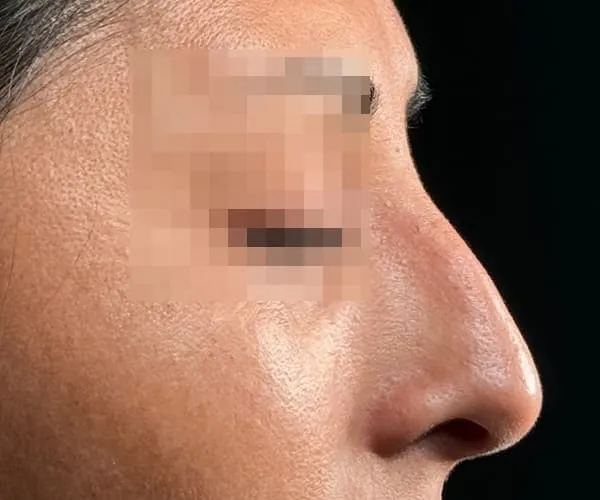
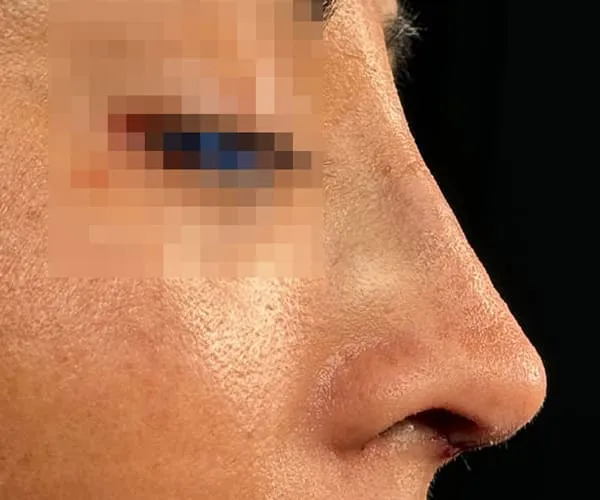
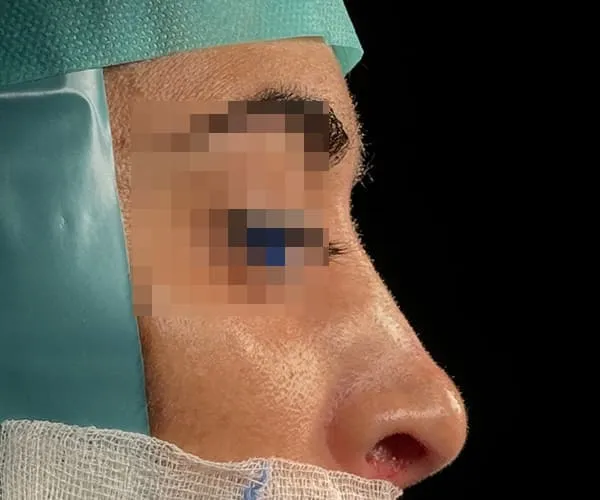
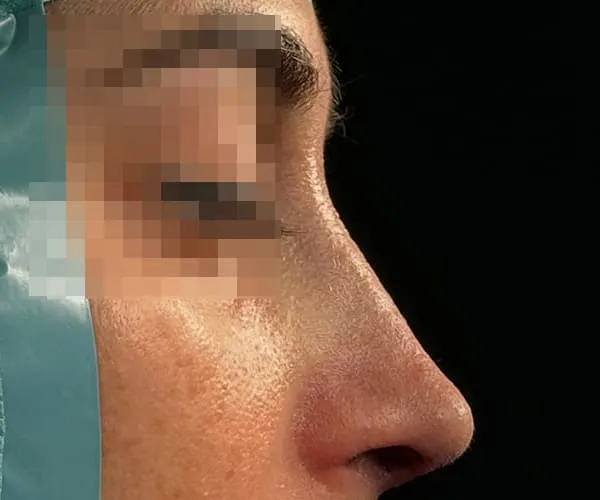
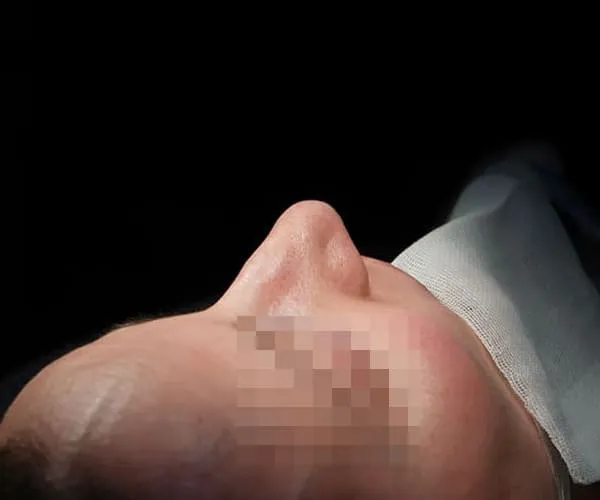
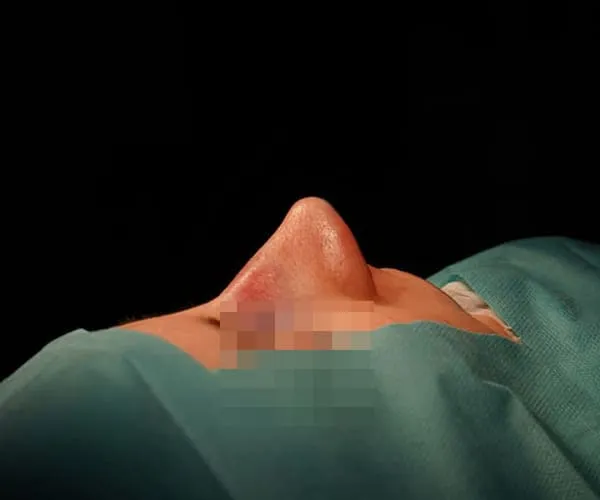
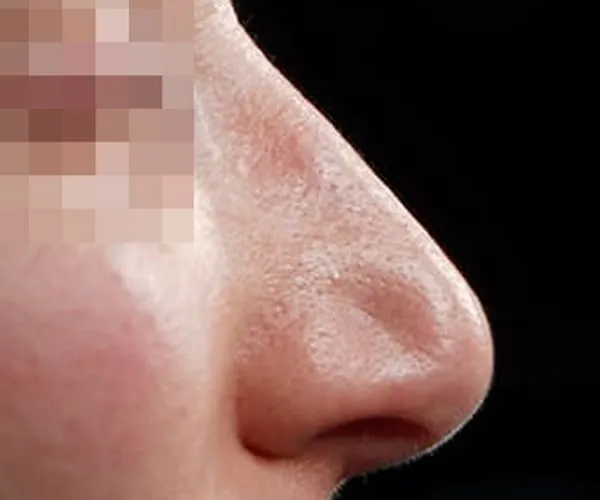
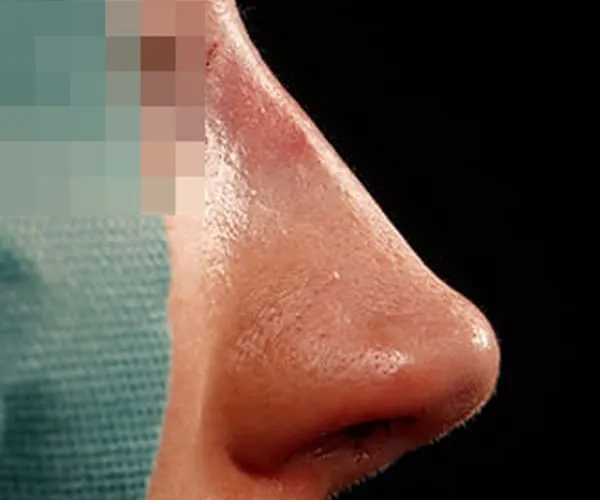
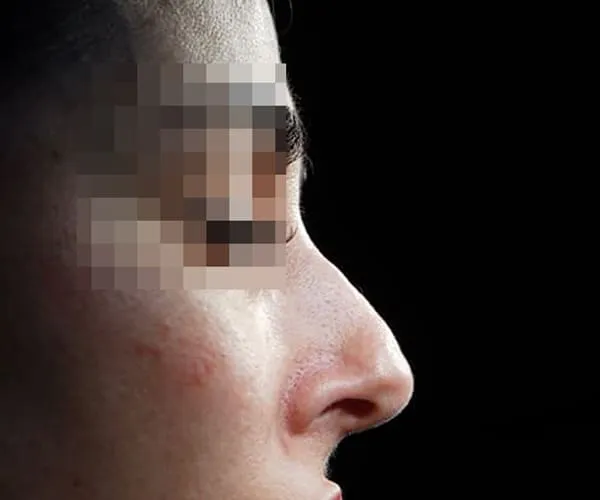
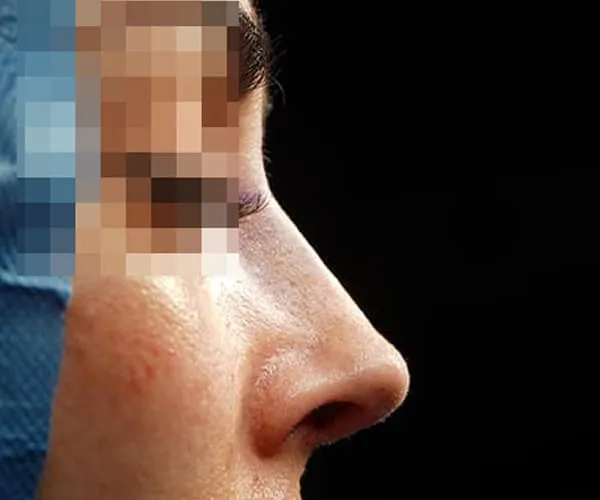
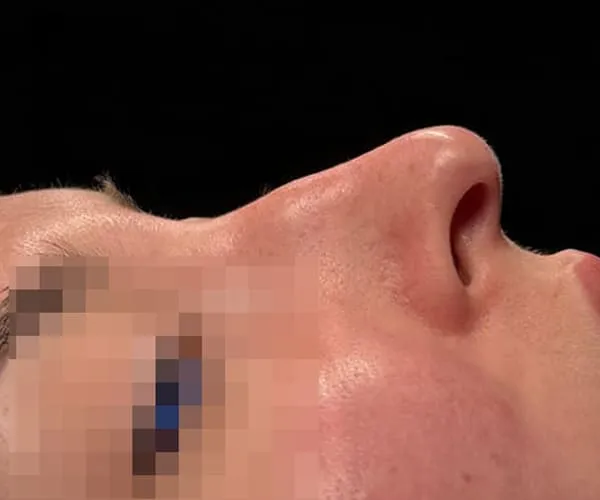
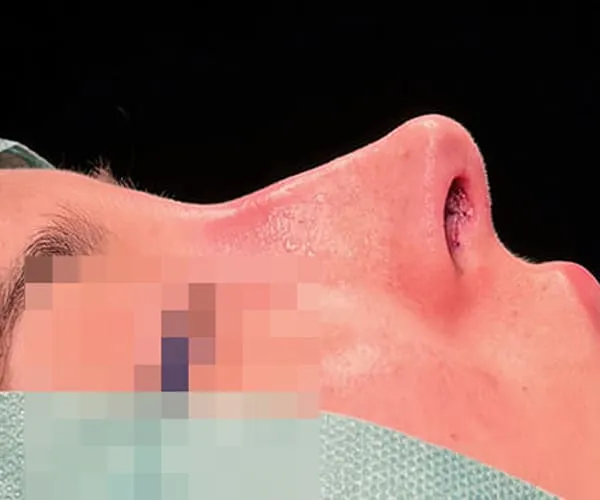
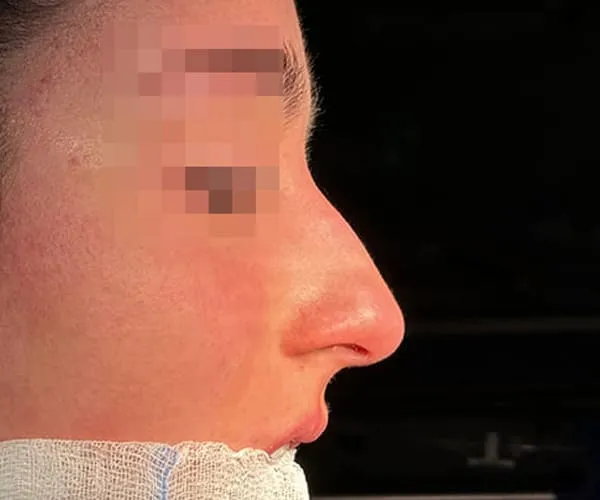
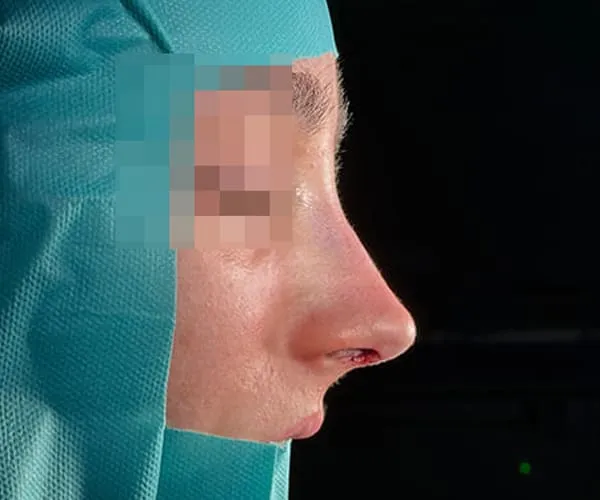
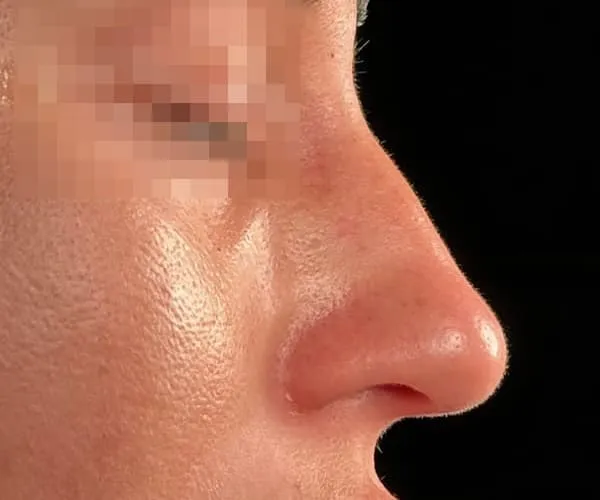
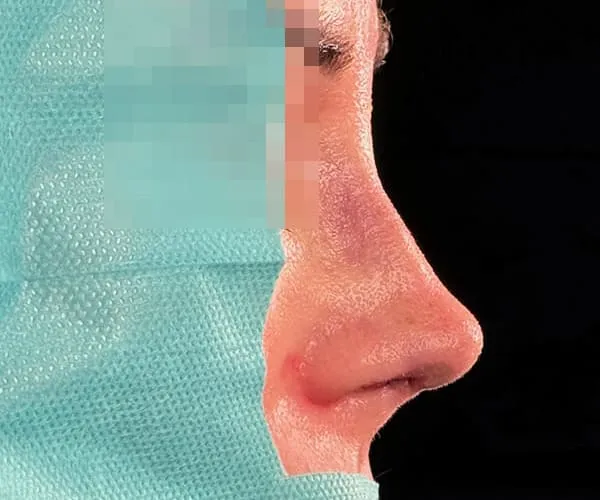
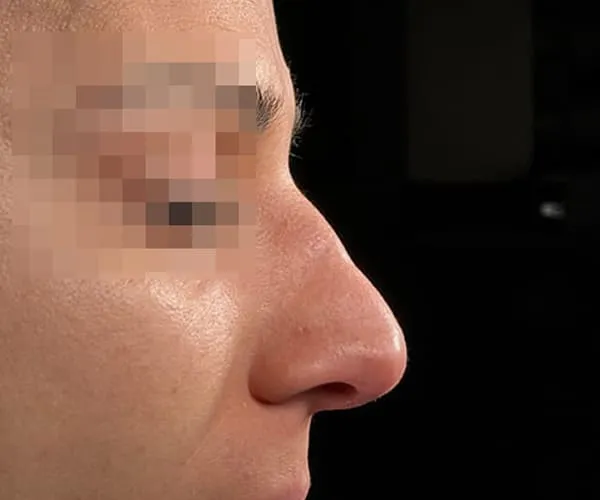
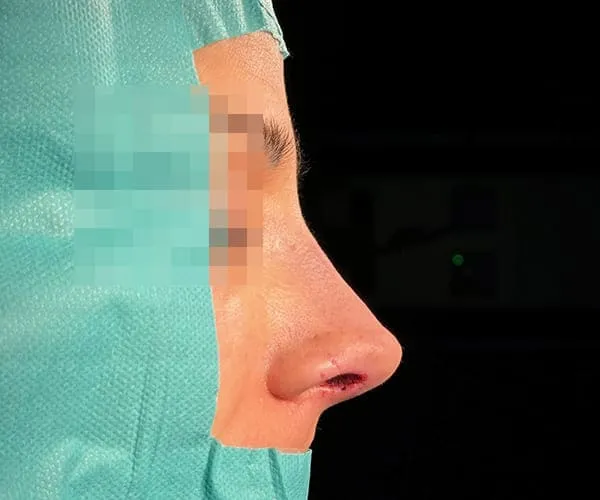
Improve your profile
and boost your confidence.

“The aim is to correct every flaw the nose presents while avoiding any sign that gives away that it’s been operated on. We preserve the genuine, attractive features that allow us to reshape the nose while keeping the essence of each patient.” The process begins with a detailed study of your facial features, expectations and needs. Thanks to advanced simulation tools, you’ll be able to visualise what your new profile will look like before the procedure, giving you reassurance and confidence.
Ultrasonic Preservation Rhinoplasty
The development of technique and technology in rhinoplasty has been remarkable in recent years, with the use of ultrasound-assisted preservation rhinoplasty. Using this technique, we can correct excess dorsal hump, nasal width or tip deformities. Dr Sarrià specialises in ultrasound-assisted preservation rhinoplasty, a cutting-edge technique that delivers the best possible rhinoplasty results.
Ultrasound-Assisted Preservation Rhinoplasty: The Revolution in Nasal Surgery
Rhinoplasty has evolved significantly in recent years, allowing for natural results and a much faster recovery. As a nose surgery specialist, I am at the forefront of the most advanced techniques, particularly ultrasound-assisted preservation rhinoplasty, a revolutionary method that offers greater precision, safety and exceptional results.
What is Preservation Rhinoplasty?
This technique is recommended for most patients wanting a natural result and a faster recovery. However, in cases with severe structural defects or significant septal deviations, ultrasound-assisted structural rhinoplasty may be necessary.
Ultrasound: Precision and Safety
One of the biggest advances in nasal surgery has been the introduction of ultrasound through the ultrasonic piezotome, a tool that allows the bones of the nose to be reshaped with unrivalled precision. Unlike traditional instruments, the piezotome acts only on bone, without damaging soft tissue, blood vessels or cartilage.
Benefits of Ultrasonic Rhinoplasty:
- Greater precision in nasal reshaping.
- Less trauma to surrounding tissue.
- Significant reduction in bruising and swelling.
- Faster, more comfortable recovery for the patient.
Procedure and Recovery
The surgery is performed under general anaesthesia and takes approximately 2 to 3 hours. After the procedure, the patient stays in hospital overnight for proper postoperative monitoring.
Unlike traditional techniques, preservation rhinoplasty does not require uncomfortable packing, making it easier to breathe from the very start.
After 10 days, the nasal splint is removed without the need to remove stitches or cause discomfort. Although the initial swelling subsides quickly, the nose will continue a gradual healing process over several months. At three months, a result very close to the final one can be seen.
Natural, Long-Lasting Results
If you are looking for an innovative, safe solution with natural results, ultrasound-assisted preservation rhinoplasty is the ideal option. As a nose surgery specialist, I am committed to offering you the best care and the most advanced techniques so you can achieve the facial harmony you want.
Among the leading clinics, Clínica El Pilar stands out for its individualised approach and mastery of the most advanced rhinoplasty techniques, such as ultrasound-assisted preservation rhinoplasty. A space where surgical precision and aesthetic sensitivity combine to deliver natural, balanced results in perfect harmony with the face.
What is Rhinoplasty and What Are Its Aims
The aims of rhinoplasty can vary depending on each person’s individual needs. Some of the main goals include:
- Modifying the size of the nose in relation to the rest of the facial features.
- Correcting the shape of the nasal tip or dorsum.
- Reducing or increasing the width of the nostrils.
- Correcting nasal asymmetries that may be present.
- Resolving breathing problems related to a deviated septum.
Ultimately, rhinoplasty aims to provide natural results that integrate properly with the face as a whole. Surgeons who perform this type of procedure take the patient’s proportions into account and work to ensure the changes are subtle and harmonious.
The pre-surgery assessment is crucial, as it allows specialists to understand the patient’s expectations and establish a plan that suits their needs. This helps create a more personalised experience, geared towards achieving the desired results.

Rhinoplasty Techniques Used in Barcelona
In the field of rhinoplasty, various techniques are applied to suit each patient’s specific needs. In Barcelona, plastic surgeons use advanced approaches that deliver natural, harmonious results.
Open Rhinoplasty
One of the most common techniques is open rhinoplasty, which involves an incision on the columella, the strip of skin between the nostrils. This method provides excellent visibility of the nasal anatomy, which is essential in more complex cases. Although it can leave visible scars, the precision it allows in structural modification makes up for this drawback.
Closed Rhinoplasty
On the other hand, closed rhinoplasty is characterised by incisions made inside the nostrils, which hides any marks. This technique is less invasive and usually results in a shorter recovery time. However, it has some limitations when it comes to making significant changes to the structure of the nose.
Preservation Rhinoplasty
This approach focuses on preserving the original anatomy of the nose. Using less aggressive techniques, preservation rhinoplasty aims to shape the existing structure without drastic resections. This option has become increasingly popular for its ability to deliver results that blend harmoniously with the patient’s face.
Ultrasonic Rhinoplasty
Each of these techniques has its own indications and benefits. The choice of the appropriate method depends on the type of corrections desired and the anatomical characteristics of the patient’s nose. Surgeons in Barcelona have the experience needed to recommend the most suitable technique, ensuring optimal, satisfactory results.
In this video, Dr Sarrià explains how modern rhinoplasty has evolved, highlighting the differences between structural and preservation techniques, and the role of ultrasound technology in achieving more natural, precise results with a faster recovery.
Preoperative Process for Rhinoplasty in Barcelona
At this stage, it is essential to carry out a detailed assessment that considers several aspects. Surgeons will precisely analyse the areas of the nose requiring modification and listen to the patient’s priorities and wishes. Taking these factors into account, clear objectives can be established for the operation.
- Preoperative tests: Depending on the complexity of the case, imaging studies or breathing tests may be required. These assessments help detect possible complications that could affect the procedure.
- Technique to be used: Based on the assessment and the patient’s expectations, the surgeon will suggest the most suitable technique for the rhinoplasty, whether open or closed, preservation or ultrasonic.
Another fundamental aspect is taking care of general health before surgery. Surgeons advise patients to avoid smoking and moderate alcohol consumption, as these habits can interfere with recovery and the final result. Instructions on medication are also usually given, recommending that certain drugs, such as non-steroidal anti-inflammatories, be stopped, as they can increase the risk of bleeding.
Finally, scheduling the surgery must take practical factors into account, such as recovery time and postoperative support. Patients are advised to plan their return home and, if necessary, arrange a support system for the first few days after the operation.
Below, Dr Sarrià explains, clearly and approachably, how the preoperative process for a rhinoplasty unfolds: from the first visit and the simulation of the result, to recovery and the importance of trusting a specialist surgeon.
The Surgical Procedure Step by Step

The rhinoplasty procedure is carried out in an operating theatre, usually under general or local anaesthesia, depending on the complexity of the case. The stages of the procedure are meticulously planned to ensure safety and effectiveness.
Initial Preparation
Before starting, the surgeon reviews the surgical plan and makes the necessary markings on the skin of the nose. This stage is crucial for ensuring every modification is aligned with the patient’s expectations.
Anaesthesia
The chosen anaesthesia is administered, which can be local or general. Local anaesthesia allows the patient to remain awake, while general anaesthesia induces a state of deep sleep. The choice depends on the technique used and the type of procedure.
Incisions
- Incisions in open rhinoplasty: These are located on the columella, allowing for better visualisation of the internal structures of the nose.
- Incisions in closed rhinoplasty: All incisions are made inside the nostrils, hiding the scars and minimising trauma.
Modifying the Nasal Structure
Once the incisions have been made, the surgeon reshapes the bone and cartilage tissue of the nose. This can include removing cartilage, adding grafts, or modifying the nasal septum to correct deviations.
Closing the Incisions
Once the desired shape has been achieved, the surgeon closes the incisions. This may involve dissolvable or external sutures, depending on the technique used. Careful closure is vital to minimise visible scarring in the future.
Completion and Immediate Recovery
This complex procedure requires the surgeon’s experience and knowledge, as well as careful attention to every detail, ensuring the final result meets the patient’s expectations and needs.
Care and Recovery After Rhinoplasty
- Proper rest: Patients should avoid any intense physical activity that could increase blood pressure in the nasal area. It is advisable to spend the first few days resting and keeping the head elevated, which helps reduce swelling.
- Caring for the incisions: Hygiene of the areas around the incisions is crucial. Avoid touching the nose with dirty hands and follow the surgeon’s instructions on how to clean the affected area.
- Medication: To manage pain, doctors may recommend painkillers. It is important to follow the prescribed medication schedule and not self-medicate. Antibiotics may also be prescribed to prevent infection.
- Use of nasal packing: If nasal packing is fitted, it is usually removed 24 to 48 hours after surgery. A feeling of congestion is common during this period, but should improve once the packing is removed.
- Avoiding activities that cause congestion: It is best not to blow your nose for at least two weeks after the procedure. This helps prevent complications and ensures proper healing.
- Staying hydrated: Staying well hydrated is essential to support recovery. Drinking water should be a priority in the days following surgery, as long as it can be done without discomfort.
- Following the surgeon’s recommendations: Every patient may have particular circumstances, so it is essential to follow the surgeon’s instructions closely. This includes attending the scheduled follow-up appointments to monitor recovery progress.

Rhinoplasty in Barcelona: Price and Options
The cost of rhinoplasty in Barcelona varies considerably and is usually between €4,500 and €11,000. This price range depends on multiple factors, such as the complexity of the procedure, whether it is a primary or secondary rhinoplasty, the surgeon’s experience and the clinic where the procedure is performed.
In Dr Sarrià’s case, the range goes from €5,500 to €7,500 for a primary rhinoplasty. Again, more than reasonable prices given his extensive experience and current market prices.
Prices can be influenced by various factors, notably including:
- The technical approach chosen: open, closed, preservation or ultrasonic rhinoplasty.
- The duration of the surgery, which can range from one to three hours, depending on the complexity of the case.
- The surgeon’s reputation and track record, as fees can vary based on experience and training.
- Associated additional costs, such as preoperative tests, medication and postoperative follow-up.
Clinics in Barcelona usually offer different financing options to make this aesthetic procedure more accessible. Some institutions allow payment in instalments or offer special discounts at certain times of the year. It is also common for plans to include the preoperative and postoperative stages in the total price, providing patients with greater peace of mind.
It is essential to always bear in mind that, although price is a relevant factor, the quality of care and the safety of the procedure should never be compromised. Choosing accredited, experienced surgeons not only guarantees optimal aesthetic results, but also a safer, more efficient recovery.
If it is a functional rhinoplasty, aimed at resolving breathing problems, certain health insurance policies may offer partial or full coverage. For this reason, it is advisable to check with the insurer to clarify which aspects of the procedure may be covered.

What Our Patients Say
Trustindex verifica que la fuente original de la reseña sea Google. Maravilloso. Un trato increíble, y sincero, con unos resultados espectaculares. Un seguimiento constante y mucha implicación del Dr. y su equipo, no solo como paciente sino como persona. Es muy pulido , meticuloso y detallista, dejando unos resultados naturales, estéticos y armónicos. Da mucha confianza. Gracias Dr.Trustindex verifica que la fuente original de la reseña sea Google. Sin duda lo volvería a elegir siempre. Profesional el Dr. y todo su equipo, realista, sincero, minucioso… Trato exquisito desde el minuto zero. Seguimiento y acompañamiento excepcional. A pesar de ser un proceso quirúrgico ha sido una experiencia espectacular!!!Trustindex verifica que la fuente original de la reseña sea Google. Me he hecho una abdominoplastia hace 6 meses y el resultado es fantástico. Mi vida ha cambiado positivamente. El doctor Sarriá y su equipo son un encanto. Muy profesionales. Fue una elección muy acertada.Trustindex verifica que la fuente original de la reseña sea Google. Estoy muy contenta con los resultados tras la cirugía realizada por el Dr Sarrià. Me encantó como me explicó con detalle como iba a ser todo el procedimiento y que sea él mismo quien me visita en las revisiones. De total confianza. Lo recomiendo 100% sin dudarlo.Trustindex verifica que la fuente original de la reseña sea Google. I had an amazing experience with Dr Sarria! Great service during the entire procedure.Trustindex verifica que la fuente original de la reseña sea Google. El Dr.Sarriá me hizo mi abdominoplastia y maxtopexia. Estoy encantada, apenas se nota la cicatriz y el trato como persona fue excepcional. Esperaba poner mis implantes de pecho con él xq me da seguridad pero creo que ahora esta mas centrado em tema fácial. Para mí, sin duda a sido mi bendición y a demostrado tener una paciencia increible conmigo. Yo lo recomiendo al 100%. Saludos.Trustindex verifica que la fuente original de la reseña sea Google. Desde la primera consulta, me brindó toda la confianza que necesitaba, y el resultado superó cualquier expectativa. Es totalmente natural y, en mi caso, también funcional. 👃🏻Trustindex verifica que la fuente original de la reseña sea Google. Quiero expresar mi más sincero agradecimiento a la clínica Egos Barcelona, ubicada en la calle Aribau 192, y, en especial, al Dr. José Sarrià García, por la increíble experiencia y el excelente resultado de mi cirugía. Después de consultar en varias clínicas en Barcelona y estar decepcionado por el trato recibido, excepcionalmente me decidí por la clínica Egos, ya que destacaban por su amabilidad, profesionalidad y las decenas de opiniones positivas que encontré en Internet. Desde el primer momento, me encontré con un equipo altamente profesional y amable que me brindó confianza y seguridad en todo el proceso. El Dr. Sarrià se tomó el tiempo necesario para asesorarme y recomendarme la mejor opción para mi caso, lo que me permitió sentirme completamente convencido para someterme a la operación. El trato que recibí antes, durante y después de la intervención fue excepcional. Además, su gran equipo de asistentas, María, Carla y Nancy, siempre estuvieron disponibles para responder a mis preguntas y hacerme sentir cómodo en todo momento. El resultado de la cirugía superó mis expectativas y no podría estar más feliz con mi transformación. La atención, la claridad y el acompañamiento pre y postoperatorio fueron de primera calidad, lo que me permitió sentirme acompañado en todo momento. Recomiendo al 100% al Dr. Sarrià y su equipo para quienes busquen un cirujano profesional, de confianza y altamente capacitado. Sin duda, volveré a contar con ellos en el futuro y también los he recomendado a mi familia. Muchas gracias por todo, estoy muy feliz con los resultados y con el trato recibido.La evaluación general en Google es 5.0 de 5, en base a 24 reseñas

Frequently Asked Questions
Rhinoplasty is a procedure that raises many questions among interested patients. Below are some answers to the most common concerns that tend to arise before undergoing this procedure.
How long does the rhinoplasty operation take?
The duration of the surgery can vary, but it generally takes between one and three hours, depending on the complexity of the case and the technique used.
Is hospitalisation required after the surgery?
Most rhinoplasty procedures are performed on an outpatient basis, meaning patients can return home the same day, although in some cases a short hospital stay may be necessary.
What type of anaesthesia is used?
The type of anaesthesia can be local or general. The choice will depend on the complexity of the procedure, the surgeon’s preference, and the patient’s comfort.
How long does it take to see the final results?
Although some results are visible immediately, the final shape of the nose can take several months to settle, as swelling gradually decreases.
Are there any risks associated with rhinoplasty?
Like any surgical procedure, rhinoplasty carries certain risks. These can include infections, bleeding or undesired results that may require additional surgery.
What is the recovery time after rhinoplasty?
Recovery time varies depending on the technique used. With less invasive procedures, many patients can resume their daily activities within a week. However, those undergoing open rhinoplasty may need more time, generally two to four weeks.
Is it possible to correct breathing problems during rhinoplasty?
Yes, rhinoplasty can address both aesthetic and functional concerns. If there are structural deformities affecting breathing, these can be corrected during the same procedure.
Is a prior consultation necessary before the operation?
A detailed assessment with the surgeon is essential. During this consultation, expectations will be discussed, a physical examination will be carried out, and the appropriate techniques for the specific case will be chosen.
Information about common concerns helps patients be better prepared and make informed decisions about their nose surgery.
Redefine the Harmony of Your Face
with Precision and Subtlety.

Dr Sarrià, a specialist in ultrasound-assisted preservation rhinoplasty, combines art and technique to achieve natural results that enhance your expression without altering your essence.
If you are considering a rhinoplasty in Barcelona, book your personalised consultation and discover how a carefully planned procedure can transform your image with balance and elegance.
Contact us and take the first step towards a new facial harmony.