


Capsular Contracture
Causes, Symptoms and Effective Treatment
What is capsular contracture?
Capsular contracture is an alteration or complication that can occur after breast implant surgery, affecting both the aesthetics and comfort of the breast. This process is common and, in many cases, results in the implant being properly tolerated. However, certain factors can trigger a disproportionate reaction, resulting in abnormal capsular contracture.
Addressing this complication requires a precise analysis of each case, taking into account the degree of contracture and the patient’s individual characteristics. Dr Sarrià works from a philosophy based on naturalness and harmony, always aiming for results that integrate into the body in a balanced way. Thanks to personalised planning and the use of advanced techniques, it is possible to restore the softness, functionality and aesthetics of the breast.
Development, Differences from Abnormal Contracture, and Grades
This is a reaction of the body to the foreign material, in which scar tissue forms abnormally. It occurs when the capsule of tissue that the body generates around the implant hardens excessively. This process can cause a feeling of stiffness, discomfort and even visible changes in breast shape.
Capsular contracture involves a series of biological reactions that can lead to different degrees of encapsulation of the scar tissue surrounding the implant.
Differences Between Normal Encapsulation and Abnormal Contracture
Normal encapsulation involves appropriate scar tissue formation that does not cause problems with function or aesthetic appearance. However, when this process becomes excessive or uncontrolled, it is referred to as abnormal capsular contracture. Key differences include:
- Consistency: In normal encapsulation, the tissue is flexible and causes no discomfort; in abnormal contracture, the tissue becomes hard and can cause discomfort.
- Shape: Contracture can alter the shape of the breast, whereas normal encapsulation generally allows the implant to keep its original shape.
- Symptoms: Abnormal contracture can present more severe symptoms, such as pain and a change in breast shape, unlike normal encapsulation, which is usually asymptomatic.
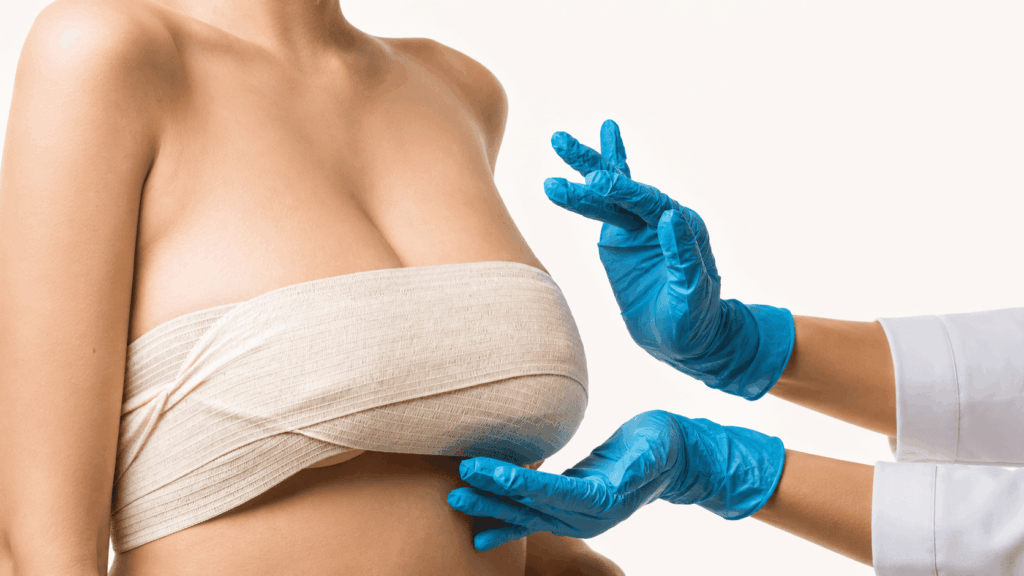
The Baker Scale: Grades and Classification of Contracture
The Baker scale is a tool that classifies capsular contracture according to the severity of the symptoms present. This scale comprises four grades:
- Grade I: The breast is soft and natural to the touch and moves naturally, with no change in appearance. This corresponds to the normal or physiological state and is the most common. There is no evidence of contracture.
- Grade II: The implant is palpable, but the breast remains comfortable and has an acceptable appearance. This is the most common among pathological cases (representing approximately 70–80%). The patient may notice the breast is somewhat firmer than usual or compared with the other, but without pain, visible changes or limited movement.
- Grade III: At this point, the capsule becomes harder and begins to alter the shape of the implant, affecting the appearance of the breast, which feels more rigid and uncomfortable and harder to the touch. Mobility decreases. Discomfort may occur.
- Grade IV: The breast is very hard, painful, and its shape is significantly altered. This happens because the capsule becomes highly rigid and puts pressure on the implant. Many patients describe it as a constant feeling of hardness, or of “having a stone” in the breast. This is the most severe phase of capsular contracture.
As a general guide, each grade can be associated with different clinical situations, ranging from practically asymptomatic cases in the early grades to cases with intense pain, visible deformity and the need for surgical treatment in the more advanced grades.
Types of Implant and Their Relationship with Contracture
The choice of implant type is a fundamental aspect that can influence the body’s response after surgery. The different types of implant and how they may relate to the formation of capsular contracture are described below.
Smooth-Surface Implants
Smooth-surface implants are the most classic type and are made with a smooth coating. This type of implant tends to have less interaction with the surrounding tissue. However, some studies suggest they may be associated with a higher risk of capsular contracture compared with textured implants.
Rough-Surface and Microtextured Implants
These implants have a textured surface designed to encourage adhesion of the fibrous tissue. This adhesion helps prevent the implant from moving, which can reduce the risk of capsular contracture. The roughness can alter the body’s response, potentially decreasing the formation of unwanted scar tissue.
Implant Shapes: Round vs Teardrop
The shape of the implant should also be taken into account in relation to contracture. Round implants are more popular, especially among athletes, due to their dynamic feel and lower risk of displacement. On the other hand, teardrop-shaped implants, which mimic the natural shape of the breast, have fallen out of favour because they can rotate and result in an undesired appearance.
Preferences Among Athletes and Their Impact on Contracture
Athletes often opt for round, smooth implants, as they offer greater freedom of movement and a lower risk of complications. This choice can also be related to their active lifestyle, where stability and aesthetics are crucial. Surgeons also tend to recommend this type of implant to patients who engage in a high level of physical activity.
Symptoms and Detection of Capsular Contracture
Early identification of the symptoms associated with this complication is essential for proper management. Signs can vary in intensity and type, so it is important to be aware of them to enable early detection.
Visible and Palpable Physical Signs
The most obvious symptoms of capsular contracture manifest as changes in the shape and texture of the breasts. These include:
- Hardening: The breasts may feel firmer than usual due to the formation of scar tissue.
- Asymmetry: A noticeable difference between the two breasts, in terms of shape and size, may be observed.
- Pain: Some patients experience discomfort or pain in the affected area, ranging from mild discomfort to severe pain.
- Change in mobility: A decrease in the implant’s range of movement may be noticed, making it appear less natural.
Real-World Circumstances for Identifying Symptoms
Looking at images can be useful for recognising the signs of capsular contracture. It is advisable to look at photographs of documented cases showing different degrees of this condition. These images usually show:
- Changes in the original shape of the implant.
- Skin alterations, such as noticeable wrinkles or folds.
- Comparisons between breasts with and without capsular contracture.
These visual resources allow patients to better understand what they might be experiencing, facilitating more effective communication with their doctor.
Differentiating Between Mild Discomfort and Severe Contracture
It is crucial to distinguish between the usual discomfort some patients may feel after implant placement and symptoms indicating severe capsular contracture. Signs to look out for include:
- Mild discomfort: This can be temporary and feels like slight tension in the area. It usually disappears within a short time.
- Mild contracture: There may be slight asymmetry and some stiffness, but it does not usually cause significant pain or affect mobility.
- Severe contracture: Symptoms are more evident. Intense pain, significant hardening and changes in implant shape are common.
Recognising these differences is essential for determining the appropriate management and whether a more detailed medical assessment is required.
Self-examination can also play an important role in early detection. Noticing changes in breast shape, feeling hardened areas or discomfort to the touch can be early signs that prompt a medical consultation.

Causes and Risk Factors
Several reasons can contribute to the development of capsular contracture. These factors are related both to the characteristics of the implants used and to the technique employed during surgery, as well as to each patient’s individual characteristics.
Influence of Implant Material and Quality
The type and quality of breast implants play a fundamental role in the risk of capsular contracture. The materials used vary in their biocompatibility and in how the body accepts them. Some key aspects are listed below:
- Implant surface: Smooth-surface implants generally have a lower risk of contracture compared with rough or microtextured surfaces, as the latter can trigger a more intense inflammatory response.
- Gel composition: The quality of the silicone gel is also important. High-quality implants containing cohesive silicone allow for more effective recovery and reduce the likelihood of complications.
- Implant design: Round shapes tend to be more widely accepted compared with teardrop-shaped implants, which, if they rotate, can lead to undesired aesthetic results.
The Surgeon’s Role and Surgical Technique
The surgeon’s skill and experience significantly influence the risk of developing this complication. A proper surgical technique is essential for minimising trauma during the operation. The following points are key in this regard:
- Choice of incision: The location of the incision can affect recovery. A well-planned incision can reduce the risk of infection and, therefore, of capsular contracture.
- Placement technique: The technique used to insert the implant must be careful and meticulous, minimising manipulation of the breast tissue.
- Infection control: Proper postoperative care and follow-up to detect any signs of infection are crucial for avoiding complications that increase the risk of contracture.
Personal and Biological Patient Factors
Every individual’s body responds differently to surgery and to the presence of a foreign body, such as an implant. The following factors can influence the occurrence of capsular contracture:
- Medical history: Patients with a history of allergic reactions or fibrosis may be predisposed to developing capsular contracture.
- Age and gender: Age and biological characteristics such as hormonal status can influence how breast tissue behaves after implant placement.
- Lifestyle: Smoking and excessive alcohol consumption can affect healing and the inflammatory process, increasing the risk of complications.
In addition to the factors mentioned, implant position can also influence the occurrence of capsular contracture. Submuscular placement — that is, beneath the pectoral muscle — is generally associated with a lower risk compared with subglandular placement, where the implant sits above the muscle.
Another relevant factor is possible bacterial contamination during surgery, which can trigger a more intense inflammatory response from the body and encourage the formation of a stiffer capsule around the implant.
To reduce this risk, specific measures are applied, such as the use of preventive antibiotics, irrigation of the surgical pocket with antibacterial solutions, careful handling of the implant, and maintaining strict sterile techniques throughout the procedure.
Prevention and Postoperative Care
Proper care after an operation can significantly influence recovery and minimise the possibility of complications. This section offers key guidelines and recommendations to support postoperative health.
Measures to Minimise the Risk of Contracture
Taking precautions during the recovery period is essential for preventing problems such as capsular contracture. Some of the recommended measures include:
- Maintaining regular follow-up with the surgeon to ensure recovery is progressing properly.
- Wearing appropriate bras that provide support without exerting excessive pressure on the implants.
- Starting gentle mobility exercises, as instructed by the doctor, to prevent tissue stiffness.
- Avoiding intense physical activity for at least the first few weeks after surgery.
- Performing gentle massages in the area, if recommended by the surgeon, to help maintain tissue flexibility.
Recommendations for Athletes and Active Patients
Patients with an active lifestyle or who play sports should pay extra attention during their recovery to avoid possible complications. It is crucial to follow these recommendations:
- Consult your doctor about the appropriate time to resume sporting activities.
- Choose implants suited to sport, such as smooth-surface implants, which can reduce the risk of contracture.
- Listen to your body and avoid forcing activity, especially if there is discomfort or pain.
- Take part in low-impact exercise before returning to intense physical activity.
Monitoring and Follow-up After Surgery
Medical follow-up after surgery is crucial for detecting any signs of complications. Regular consultations allow the specialist to assess the health of the implants and the condition of the surrounding tissue. It is advisable to:
- Attend the check-ups scheduled by the surgeon.
- Undergo ultrasound scans or other diagnostic tests, if considered necessary by the doctor.
- Report any unusual symptoms, such as changes in breast shape or consistency.
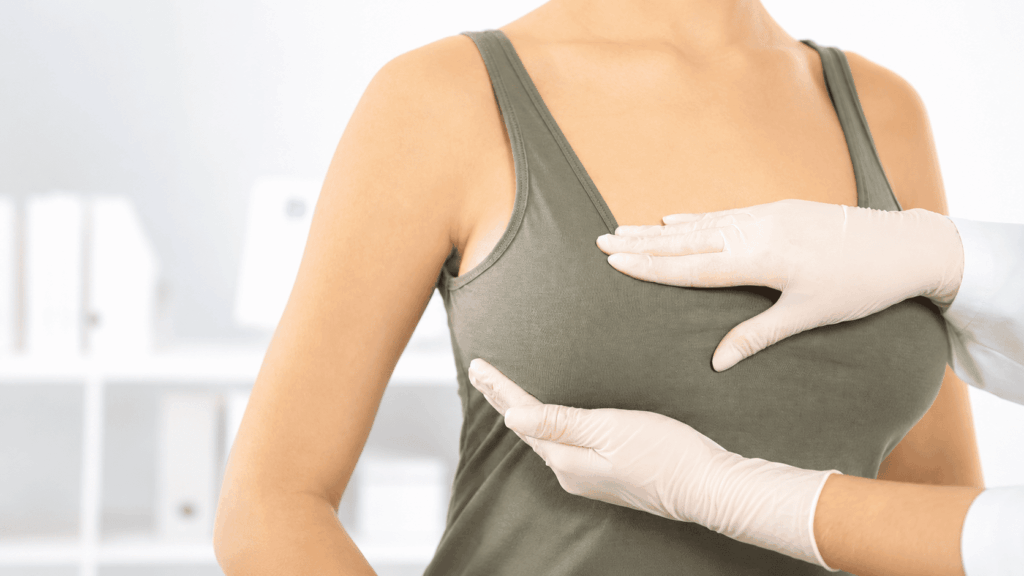
If contracture is suspected, diagnosis can be supported by specific imaging tests such as breast ultrasound, useful for assessing the capsule and any fluid build-up; MRI, which offers a more detailed view of the implant and surrounding tissue; and, in some cases, mammography, as an additional diagnostic tool.
Treatments for Capsular Contracture
Treatments for addressing capsular contracture vary and can include both non-surgical and surgical approaches. It is essential to consider the severity of the contracture and the patient’s response to previous treatments.
Non-Surgical Options and Conservative Management
Options that do not require surgery can be effective in the early stages or in mild cases. These include:
- Non-steroidal anti-inflammatory drugs (NSAIDs) to reduce inflammation.
- Corticosteroid injections, which can help relieve inflammation and pain in the short term.
- Physiotherapy or specific massage, which can help manage scar tissue and improve mobility.
- Use of compression devices that can provide support and reduce tension in the affected area.
These alternatives must be assessed and supervised by a medical professional to ensure their effectiveness and minimise risks.
Surgical Revisions and Implant Changes
When conservative options are not effective, a revision surgery may be considered. Surgical procedures can include:
- Capsulectomy: Removal of the scar-tissue capsule around the implant, which relieves pressure and symptoms.
- Implant change: Replacing old implants with new ones may be necessary in some cases to resolve associated problems.
- Modification of surgical technique: In some cases, a surgeon may opt for new techniques or approaches to prevent the contracture from recurring.
The decision to carry out a surgical procedure will depend on the patient’s specific clinical situation and her wishes and expectations.

New Techniques and Treatment Advances
Advances in medicine have led to the development of new techniques and treatments for addressing capsular contracture. These innovations include:
- Use of implants with new textured features that can reduce the risk of contracture.
- Development of biocompatible materials that support better integration with the patient’s tissue.
- Minimally invasive surgical techniques, which can result in less trauma and a faster recovery.
These innovations can offer new hope for those experiencing this complication. Ongoing research in this field is essential for improving outcomes and patients’ quality of life.
The choice of treatment usually depends on the degree of contracture according to the Baker scale. In mild grades, follow-up or conservative treatment may be sufficient, while surgical intervention is usually necessary in more advanced grades.
Among the surgical options, in addition to capsulectomy, there is capsulotomy, which involves opening or releasing the fibrous capsule without removing it completely, reducing pressure on the implant.
In complex or recurring cases, the use of an acellular dermal matrix may be considered — a biocompatible material that reinforces the tissue and helps reduce the risk of further contractures.
New non-surgical alternatives are also being investigated, such as shockwave therapy or low-level laser therapy, aimed at improving tissue elasticity and reducing capsular stiffness.
It is important to bear in mind that, even after treatment, there is a possibility of recurrence, which is why continued medical follow-up is essential.
Psychological Impact and Quality of Life
Capsular contracture not only has physical implications, but can also affect emotional wellbeing. Changes in breast shape, hardness or pain can create insecurity, lower self-esteem, and lead to avoidance of social or intimate situations. In some cases, psychological support may be recommended to help cope with this process.
Frequently Asked Questions About Capsular Contracture
This section addresses the most common questions about capsular contracture, providing essential clarification to help better understand this condition.
When does contracture appear after the operation?
The time it takes for capsular contracture to appear can vary considerably between patients. It can generally be observed anywhere from months to years after surgery. In many cases, the first signs usually appear between 3 and 12 months. Continuous monitoring and regular check-ups after the procedure are essential for detecting any change in the condition of the implant.
What should I do if I suspect I have capsular contracture?
If capsular contracture is suspected, it is essential to seek medical attention. A specialist will carry out a thorough assessment, possibly including ultrasound scans and other imaging studies. These tests will help determine the severity of the condition and the appropriate action to take, which can range from careful monitoring to more specific interventions.
Can contracture be completely avoided?
Although there is no absolute guarantee that capsular contracture can be completely avoided, several strategies can minimise the risk. Proper implant selection, meticulous surgical technique and rigorous postoperative follow-up are crucial elements. However, the body will react differently in each case, which makes complete prevention difficult.
How is encapsulation treated according to its grade?
- Grade 2: This usually does not require surgery. Treatment is generally conservative, using massage and therapies such as Indiba, aiming to reduce the body’s inflammatory response and return the tissue to its usual state.
- Grades 3 and 4: In these cases, surgical intervention is necessary. The capsule must be removed and the implant replaced. The doctor stresses that a new implant should always be fitted, as the previous one may have microcontamination or defects that contributed to the problem.
What strategies exist to prevent it?
Prevention relies on three key moments:
- During surgery (surgeon): It is essential to work with maximum precision and care to minimise inflammation and handle the tissue correctly.
- After surgery (patient): Follow medical recommendations, manage pain properly and avoid exertion too soon.
- Aftercare: Apply treatments such as massage that help reduce inflammation and shorten the time the body remains in a state of alert.
Does the type of implant or its placement affect the risk of encapsulation?
Yes, although it largely depends on how the implant interacts with the tissue:
- Placement behind the muscle: The risk of encapsulation is very low. At this level, there is barely any difference between smooth and microtextured implants, as the muscle tolerates contact better.
- Contact with the gland: The mammary gland is more sensitive. When the implant is in direct contact with it (as in the subglandular or dual plane), smooth implants are more likely to develop encapsulation.
- Microtextured implants: In contact with the gland, these are usually preferable, as their irregular surface makes it harder for capsule cells to organise, reducing their ability to contract and, therefore, the risk of encapsulation.
What happens if encapsulation recurs or there is a predisposition to it?
Some patients have a genetic tendency to develop encapsulation, similar to those who heal poorly, and this cannot be detected in advance. When the problem is recurrent (after several surgeries), a common option is polyurethane implants, which can reduce the risk by up to 95%.
Which symptoms are normal and which are not?
After implant placement, it is common to experience some discomfort, such as mild swelling, sensitivity and slight pain, which usually decreases over time. However, if discomfort increases or there is a feeling of hardness in the breast, this could be a sign of capsular contracture. Regular medical assessments are essential for distinguishing between what is normal and what is concerning.
How do different implants affect duration and risk?
The type of implant used influences the likelihood of developing contracture. For example, rough or microtextured implants may behave differently compared with smooth-surface implants. Round implants are a popular choice among athletes, but the selection should be based on several factors, including the patient’s anatomy and lifestyle.
Why aren’t polyurethane implants used from the start in every case?
Despite their effectiveness in preventing encapsulation, they have significant drawbacks: they are stiffer, have less mobility and reduce the natural aesthetic of the breast. For this reason, they are reserved for more complex situations rather than being the first choice.

Dr Sarrià, a breast surgery specialist, addresses capsular contracture from a perspective that combines surgical precision, experience and aesthetic sensitivity. His aim is to restore the naturalness of the breast, returning softness, harmony and wellbeing to the patient through advanced techniques and completely personalised planning.
If you are experiencing discomfort, hardening or changes in breast shape, an expert assessment is key to defining the best treatment. Book your consultation and discover how a personalised approach can help you achieve natural, long-lasting results.
Contact us and take the first step towards feeling good about yourself again.