


Blepharoplasty
A Youthful,
Natural Look
Blepharoplasty
Blepharoplasty is an aesthetic surgery aimed at rejuvenating the eyes by correcting excess skin, bags and sagging in the eyelids.
There is also a genetic predisposition in some cases, where eyelid ageing accelerates, leading to more prominent bags or looser skin.
Blepharoplasty is an aesthetic surgery that addresses eyelid problems such as excess skin, bags or sagging, which can create a tired or sad expression and even interfere with vision. This procedure can be performed on the upper eyelids, lower eyelids, or both, depending on each patient’s needs.
There is also a genetic predisposition in some cases, where eyelid ageing accelerates, leading to more prominent bags or looser skin.
Before & After
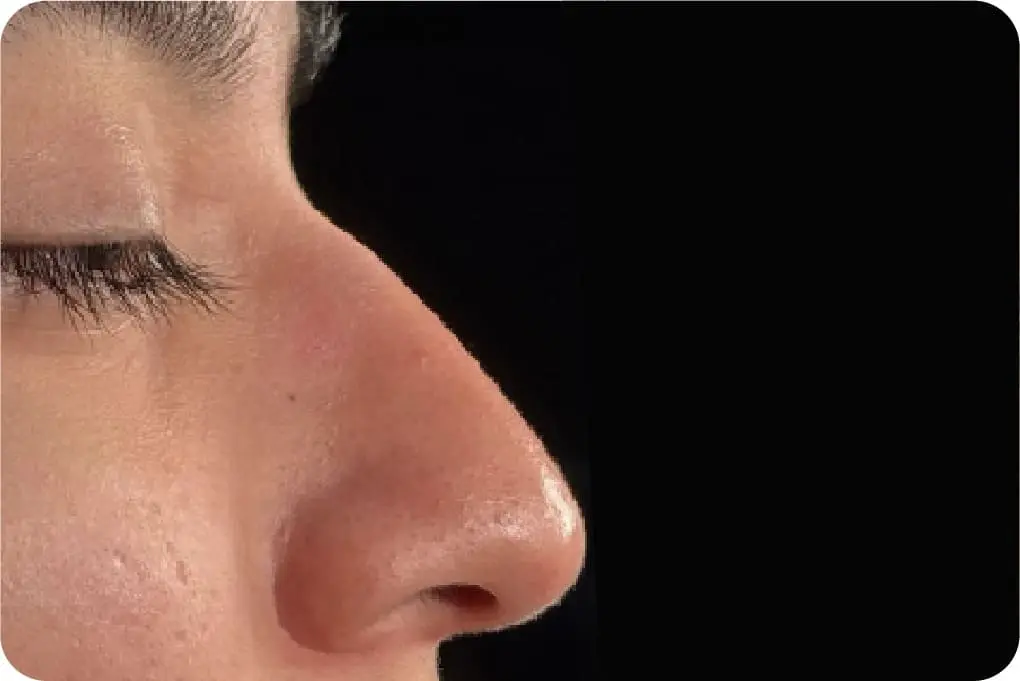
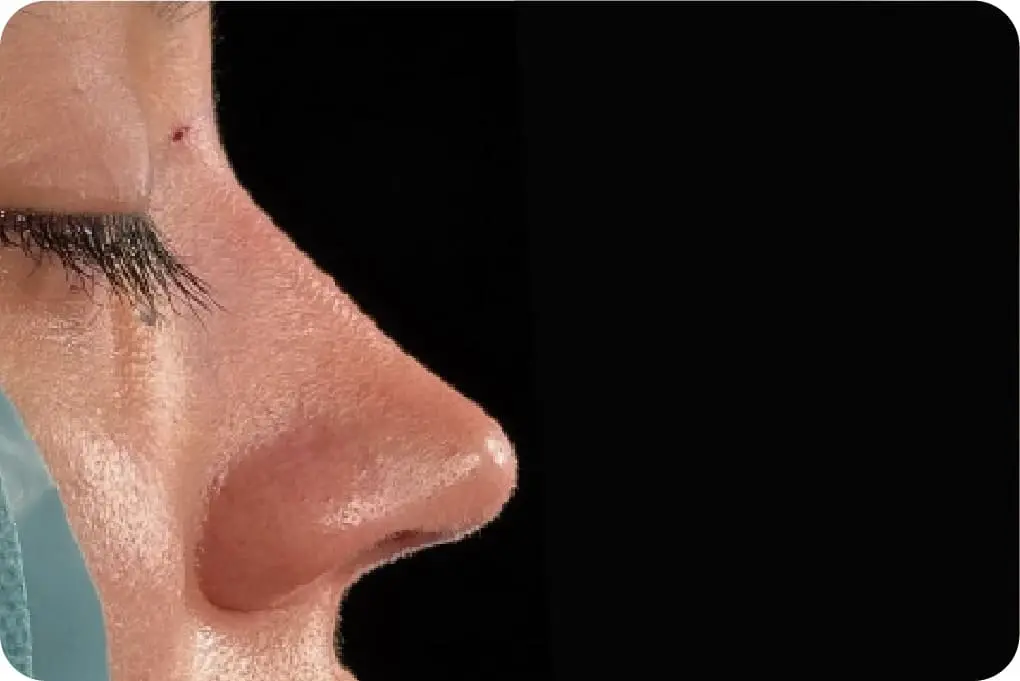
Advanced technique,
safe procedure.
How Do Eyelids Age?
- Upper Eyelid: Characterised by excess skin, uneven volume or ptosis (drooping) of the eyelid.
- Lower Eyelid: The main concern is the appearance of fat pockets and loss of volume in the tear-trough area, as well as thinning of the bony rim.
Who Can Have Blepharoplasty?
Blepharoplasty is suited to people with drooping or puffy eyelids, which affects their appearance or even their field of vision. Surgery is generally recommended from the age of 35–40, although some people with a more pronounced genetic predisposition may need it at an earlier age. Every case is unique, and Dr Sarrià tailors treatment to each patient, aiming to preserve the naturalness and expressiveness of the eyes.
Although there are medical-aesthetic treatments that can improve certain mild signs of periocular ageing, when there is significant excess skin or fat pockets, blepharoplasty remains the most effective, long-lasting treatment.

Blepharoplasty or Medical-Aesthetic Treatments
The choice between blepharoplasty and other medical-aesthetic treatments depends on the root cause of the problem.
When superficial wrinkles or minor volume loss predominate, some treatments can offer temporary improvement. However, when there is significant excess skin or fat pockets in the eyelids, blepharoplasty tends to be the most effective, long-lasting option for rejuvenating the eyes.
Blepharoplasty or Facelift?
The choice depends on the root cause of facial ageing. When the main problem is located in the eyelids, bags or excess periocular skin, blepharoplasty tends to be the most suitable treatment. However, when there is a more general drop in facial tissue, it may be advisable to combine or consider broader facial rejuvenation procedures.
A specialist assessment allows the most natural, balanced treatment to be determined for each case.
Evolution and Advances in Blepharoplasty
Blepharoplasty today does not focus solely on removing skin or fat pockets. The aim is to restore balance between the eyelid, tear trough and cheekbone to achieve harmonious rejuvenation of the eyes while respecting the patient’s natural expression.
In recent years, eyelid surgery has evolved considerably thanks to anatomical advances and new techniques. Dr Sarrià highlights the importance of a detailed understanding of the area’s anatomy for achieving optimal results. A key advance in lower blepharoplasty is the transconjunctival approach, which allows access to the fat pockets without leaving visible scars, via an incision inside the eyelid. This avoids alterations to the muscles and shape of the eye, which could occur with older techniques.
CO2 Laser Technology in Blepharoplasty
In certain patients, blepharoplasty can be complemented with CO2 laser technology to treat the quality of the periocular skin. This technology acts on the superficial layers of the skin, promoting collagen remodelling and improving aspects such as fine lines, skin texture and some signs of ageing around the eyes.
Whether CO2 laser is indicated depends on each patient’s anatomical characteristics and is assessed individually during the consultation.

Upper
Blepharoplasty
In upper eyelid surgery, the aim is to remove excess skin and balance volume, particularly the nasal and central fat pockets. The scar is placed within the natural crease of the eyelid and, over time, becomes almost imperceptible.
Thanks to incisions designed to follow the natural folds of the eyelid, scars are usually discreetly hidden and become practically imperceptible over time.
Modern Concept of Lower Blepharoplasty
In lower eyelid surgery, the goal is to balance the volumes of the eyelid, tear trough and cheekbone. Ageing causes atrophy of the cheekbone and sagging of facial tissue. The fat-repositioning technique allows the fat pockets to be removed and, at the same time, redistributed to areas lacking volume, such as the tear trough. The use of lipofilling improves results by filling in and rejuvenating this area.
Volume loss is one of the main factors involved in facial ageing. For this reason, in certain patients, blepharoplasty can be complemented with facial lipofilling techniques to restore lost volume in areas such as the tear trough, cheekbone or periocular region. This approach helps achieve more natural, harmonious and long-lasting results.
Canthopexy
and Canthoplasty
In older patients, the lateral canthal ligament loses strength, which can cause the lower eyelid to sag. In these cases, procedures such as canthopexy or canthoplasty can be performed to tighten the eyelid and correct the sagging, restoring anatomy and muscle tone.
Anaesthesia
and Procedure
Blepharoplasty is generally performed under local anaesthesia with sedation for the upper eyelids, while light general anaesthesia is preferred for the lower eyelids. The procedure is performed on an outpatient basis, and the patient can be discharged within a few hours.

Planning and Process of Blepharoplasty
The Importance of a Specialist Assessment
Eyelid surgery requires precise knowledge of periocular anatomy and an individual analysis of each patient. Choosing the correct technique and detailed planning are essential for achieving natural, functional and long-lasting results.
The first step is a thorough assessment by Dr Sarrià, who carries out a complete clinical analysis of the eyelids and eyes. This includes a detailed medical history and a physical examination to identify each patient’s specific needs. Dr Sarrià will provide clear instructions on the surgery and the postoperative period, ensuring the procedure is carried out with the best possible results.
During the consultation, factors such as skin quality, eyelid position, the presence of fat pockets, tear-trough volume and the patient’s medical history are also assessed. This study allows a personalised surgical strategy to be designed for each case.
Dr Sarrià's Approach
For Dr Sarrià, plastic surgery is a speciality that combines science and art. That is why concepts such as facial harmony, naturalness and aesthetic balance are a fundamental part of planning every procedure.
Every blepharoplasty is planned individually, analysing the relationship between the eyelids, eyes, cheekbones and other facial structures to achieve balanced rejuvenation and avoid an artificial result.
Recommendations Before Surgery
Before the procedure, it is advisable to follow the medical instructions given during the preoperative consultation. Patients are generally advised to avoid smoking, moderate alcohol consumption and disclose any regular medication to ensure safe surgery and proper recovery.
Postoperative Period
for Blepharoplasty
The postoperative period for blepharoplasty is generally painless. To reduce swelling and bruising, it is recommended to apply cold compresses and follow medical instructions. Sutures are removed after 5 to 7 days, and swelling and bruising usually disappear within a few weeks. Daily activities can be resumed within 7–10 days, and make-up can be used to conceal bruising if needed.
Stages of Recovery
After the procedure, recovery takes place in several stages, each with its own characteristics. The following points describe the typical phases that may occur:
- Immediate: During the first 24 hours, it is common to experience swelling and bruising. It is important to apply cold compresses to minimise inflammation.
- First week: Over the following days, most of the swelling should begin to subside. Vision may be slightly blurred due to heavy eyelids.
- Two to three weeks: During this period, most patients return to their daily activities. However, it is advisable to avoid intense physical exertion.
- One month onwards: Results become increasingly noticeable and the skin continues to adapt. Healing should be well advanced, and it is possible to resume all activities.
During the first few days, it is normal to experience swelling, bruising and a feeling of tightness in the eyelids. Most of the swelling tends to be concentrated in the first week and gradually decreases. As recovery progresses, the tissue adapts and the eyes take on an increasingly natural look.
Postoperative Follow-up
Although complications are rare, it is important to contact the medical team if persistent visual disturbances, excessive swelling, ongoing bleeding or any concerning symptom arise during recovery.

Blepharoplasty Results
The ultimate goal of blepharoplasty is to achieve a fresher, more youthful appearance, eliminating the tired or sad look of the eyes, without the patient appearing artificial. Using the most advanced techniques, Dr Sarrià guarantees natural results and a quick recovery, giving patients a new freshness to their eyes.
The type of benefits and results achieved vary according to each patient’s anatomical characteristics and the surgical plan established during the medical assessment.
Ongoing Training and Development
Dr Sarrià is a plastic surgery specialist trained at the Hospital de Sant Pau i Santa Creu. His training has been complemented by placements with international specialists in facial surgery and plastic surgery in countries such as France, the United Kingdom, Mexico and the United States.
His scientific activity includes publications and participation in national and international conferences, keeping him constantly up to date so he can offer his patients the most advanced, safe techniques.
Blepharoplasty in Barcelona with Dr Sarrià
If you are considering blepharoplasty in Barcelona, it is important to choose a plastic surgeon with experience in facial surgery and an aesthetic approach focused on naturalness. Eyelid surgery requires precision, anatomical knowledge and personalised planning to rejuvenate the eyes without altering facial expression.
During the consultation, Dr José Sarrià assesses excess skin, the presence of bags, eyelid position and skin quality to determine the most suitable technique for each case.
Requesting an initial assessment allows you to resolve any questions, learn about the options available and establish a surgical plan tailored to you.

Frequently Asked Questions
Can blepharoplasty improve field of vision?
In some patients, excess skin on the upper eyelid can partially interfere with vision. Surgery removes this excess tissue and improves both the aesthetics and functionality of the area.
Do I need an initial assessment to find out if I am a candidate?
Yes. During the consultation, a detailed examination of the periocular anatomy and the characteristics of the eyes is carried out to determine whether blepharoplasty is the most suitable treatment and which technique can offer the best result.
When are the final results visible?
Changes are visible from the first few weeks, although the result continues to refine as swelling decreases and the tissue completes its adaptation process. The final assessment is usually carried out several months after the procedure.
How long is the recovery after blepharoplasty?
Most patients can return to their usual activities within approximately a week, although the swelling continues to subside and the tissue fully adapts over the following weeks.
Are the results permanent?
Results are long-lasting, although the natural ageing process continues over the years.
Can the upper and lower eyelids be treated in the same surgery?
Yes. In many patients it is possible to combine both procedures to achieve more complete rejuvenation of the eyes.
Does blepharoplasty leave visible scars?
Incisions are made following the natural folds of the eyelid. In most cases, scars develop favourably and become barely noticeable over time.
What type of anaesthesia is used?
Upper blepharoplasty is usually performed under local anaesthesia with sedation. In more complex procedures, or when treating the lower eyelids, light general anaesthesia may be used.
Is blepharoplasty painful?
Most patients describe the postoperative period as a comfortable recovery. Swelling or a feeling of tightness is more common than intense pain.
What is Dr Sarrià aiming to achieve with blepharoplasty?
The aim is not to transform the eyes or alter facial expression, but to correct signs of ageing while respecting each patient’s identity. The priority is to achieve a more rested, fresh and natural appearance, while maintaining facial harmony.
Can blepharoplasty be combined with other facial treatments?
Yes. In certain patients it can be combined with procedures such as facial lipofilling or specific facial rejuvenation techniques to restore lost volume and improve the overall result harmoniously.